
A multi-agent studio
Chinese classics, reborn as film — by a crew of AI agents.
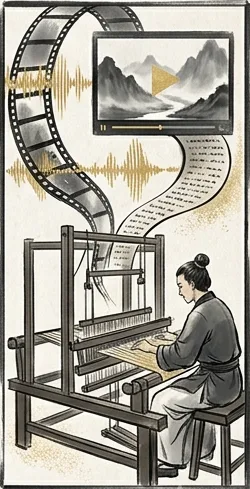
MoVox is a pipeline of specialized AI agents, orchestrated by LangGraph. They read a Chinese classical novel, voice its characters, paint every scene in ink-wash, and animate it into a chapter-length film — while a human directs and reviews every step. It all runs locally, on open models.

The pipeline
Five agents. One human.
A crew of specialized AI agents does the work; a person directs and signs off at every checkpoint. The whole line is orchestrated by LangGraph.
-
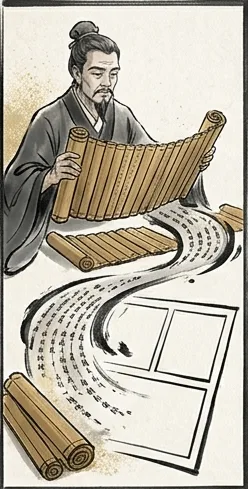
Reader Agent
Parses a Chinese classic into scenes, narration, and every character’s lines.
-
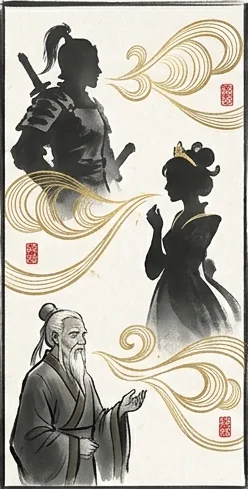
Actor Agent
Mints a distinct, consistent voice for each character, then narrates the chapter.
-
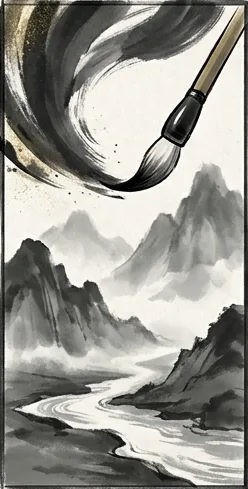
Painter Agent
Composes an ink-wash keyframe for every scene, faithful to the text.
-
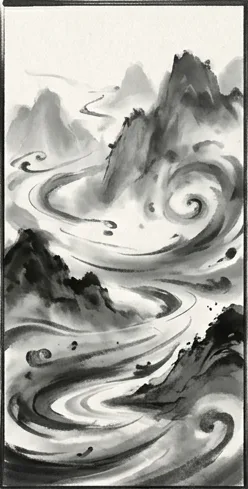
Animator Agent
Brings each keyframe to motion — seconds of living illustration.
-
Editor Agent
Cuts it into a subtitled film — one MP4 per chapter.
It all runs locally on open, permissively-licensed models — no cloud, no gatekeepers, no per-frame fees. Built for the Chinese classical canon it began with; the results are yours to share.
Where I stand
Not slop. Craft.
The fear says AI flattens art and takes the jobs of the people who make it. I don’t buy it. A model has no taste — a person does. MoVox is one person’s direction amplified by a crew of tireless specialists: every scene is chosen, reviewed, and signed off by a human. The storyteller doesn’t vanish — they get a studio.
Read the full stance →Building in the open
Dev Journal
-
Stop being the check
For two chapters I reviewed every picture by eye, and every flag got fixed by hand. By the end there were 136 hand fixes, and the next chapter would need them all again. Here's why a fix that never reaches the process gets made twice, and what moving it there actually took.
-
One list for everything
The 白话 version of MoVox was a one-to-two-week job, text and audio only. It took four, and it came back with photoreal clips and lip-sync. Here's the sprint rule I've taught teams for years, and how I caught myself running it on a project of one.
-
Ship it to real people
Chapter one went out as a test, and the people who watched it changed the product three times: a version of the story they could follow, pictures that are actually real, and episodes instead of chapters. Here's what building around the people who use the thing looked like.